20 June 2026 · 2 min read
How to Choose Cosmetic Packaging for a New Skincare Brand
Cosmetic packaging supplier, Strand, Western Cape. We quote and ship these containers from 10 units.
The packaging decision trips up almost every new skincare founder. Choose wrong and you either overspend on stock you can't move, or end up with bottles that leak, look cheap, or don't suit your formulation. Here are the five decisions, in the order you should make them.
1. Match the format to the formulation
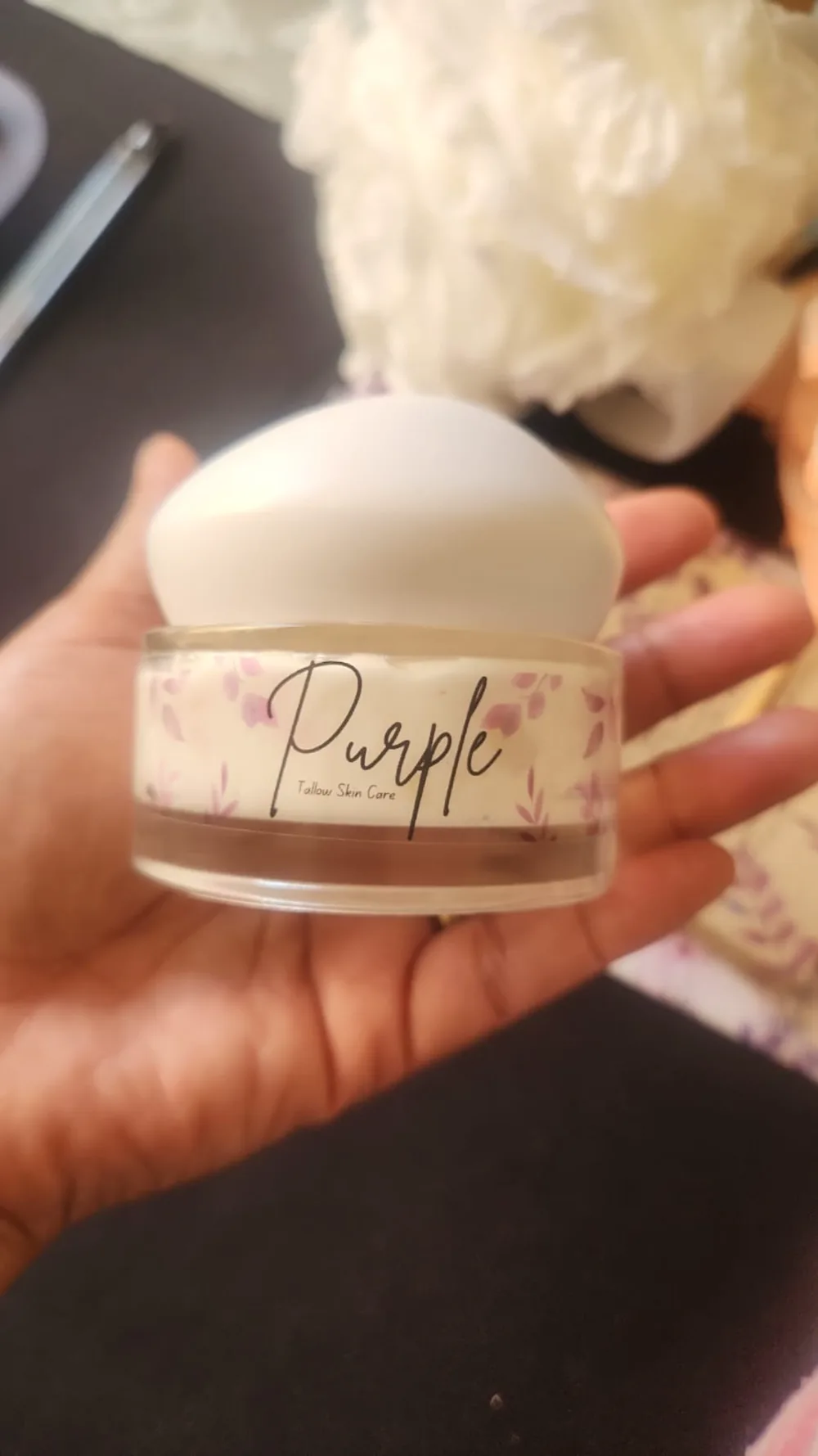
Start with what's going inside. Thick creams, balms and body butters belong in wide-mouth jars so customers can scoop them out. Lightweight serums and facial oils need dropper bottles for precise dosing. Lotions, cleansers and shampoos dispense best from pump bottles, while toners, mists and fragrances suit fine-mist spray bottles. For active-rich serums that oxidise, an airless pump protects the formula and dispenses almost every last drop.
2. Pick a material
Glass feels expensive, is fully recyclable and is inert, which makes it ideal for facial oils and high-end serums. Amber and frosted glass also shield light-sensitive actives. PET and acrylic are lighter, shatter-resistant and cheaper to ship, so they're practical for body products and travel sizes. Many brands mix materials across a range: glass for the hero serum, PET for the body lotion.
3. Get the size right
Offer a size your customer will actually finish in a reasonable time. 30ml is a sweet spot for serums; 50g works well for face creams; body products scale up to 100ml–250ml. Sample and travel sizes (5–15ml) are a smart, low-cost way to let customers try before they commit, and they make great add-ons at checkout.
4. Mind the minimum order
This is where most suppliers force you into orders of 1,000+ units per item, a huge gamble for a new brand. Be Different Packaging lets you start from just 10 units, so you can launch a full range, test what sells, and reorder your winners. Pricing is tiered and transparent: your unit cost falls as you scale, so there's a clear path from sampling to volume.
5. Plan your branding early
Decide upfront whether you'll add your logo. Silk-screen and hot-stamp printing turn a generic bottle into a branded product and lift perceived value a lot. Even a single colour logo on a frosted jar makes a jar look more expensive. Factor the customisation minimum and lead time into your launch timeline so your branded stock arrives when you need it.
Get these five decisions right and your packaging will protect your formula, suit your customer, and make your brand look established from day one, all without an unaffordable first order.